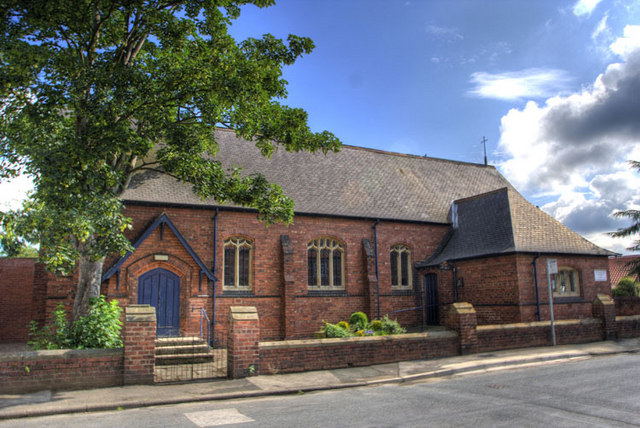
A Spot of Local History: Welcome to Our Neck of the Woods
While my back garden is mostly known for sheep watching, bird spotting, and the occasional post-pub singalong, the surrounding Yorkshire countryside has a surprisingly dramatic past. If these fields could talk, they’d tell stories of medieval brawls, aviation pioneer spirit, and ancient Viking river crossings.
Early Origins & The Domesday Book
The history of Church Fenton dates back to Anglo-Saxon times. The first recorded mention of the area appears in 963 AD, when King Edgar granted land in the region to Aeslac of Sherburn-in-Elmet. The name Fenton comes from Old English, meaning a “village in fen or marshland”.
By 1086, the area was recorded simply as Fentun in the Domesday Book. At this point, the land was low-lying, wooded, and agricultural, with surrounding marshlands drained over successive centuries to open up rich farmland.
St Mary the Virgin: The Heart of the Village
It wasn’t until 1338 that the prefix Kirk or Church was regularly used, signifying the establishment of the local parish church.
Industry & The Railway Revolution
For centuries, Church Fenton remained a quiet agricultural community. Local residents also worked in stone quarrying—helping supply stone for York Minster—and growing chicory, which was processed, boiled, and bottled locally (giving rise to the village’s historic Chicory Row).
The arrival of the Leeds and Selby Railway in 1839 transformed Church Fenton into a vital railway junction. As new lines connecting Leeds, York, and Harrogate were constructed, the village grew to feature three railway station sites, workshops, brickworks, and tileworks to support the bustling line.
RAF Church Fenton & WWII
In 1937, the RAF established RAF Church Fenton immediately northeast of the village. During World War II, it served as a critical fighter base protecting northern cities and east coast shipping:
Eagle Squadron: In 1940, it became home to No. 71 Squadron, the first RAF “Eagle Squadron” composed of volunteer American pilots.
All-Canadian & All-Polish Squadrons: It also hosted the RAF’s first all-Canadian and all-Polish fighter units.
Jet Era: Following WWII, it was among the first UK airfields to operate early jet fighters, including Gloster Meteors and Hawker Hunters.
The airfield operated as an RAF pilot training base until 2013. Today, it operates as Leeds East Airport and has even been used as a film studio site (hosting set builds for TV series like ITV’s Victoria).
Modern Village Life
Today, Church Fenton remains a vibrant community. It retains its historical roots with landmarks like the Old Vicarage, the 1892 Methodist Chapel, the community-owned pub The White Horse, and The Fenton Flyer. The Met Office also maintains an official weather reporting station in the village. This history is from Wikipedia, the free encyclopedia.
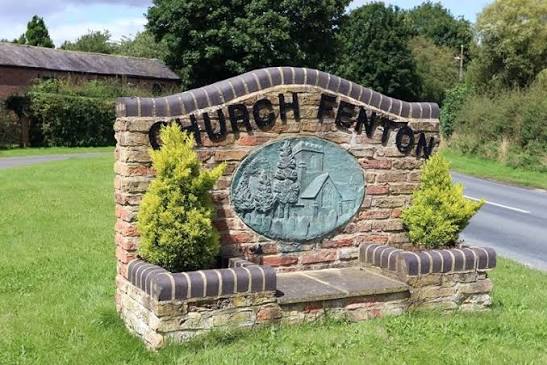
Surrounding Villages
Towton: England’s Ultimate Palm Sunday Snowfight
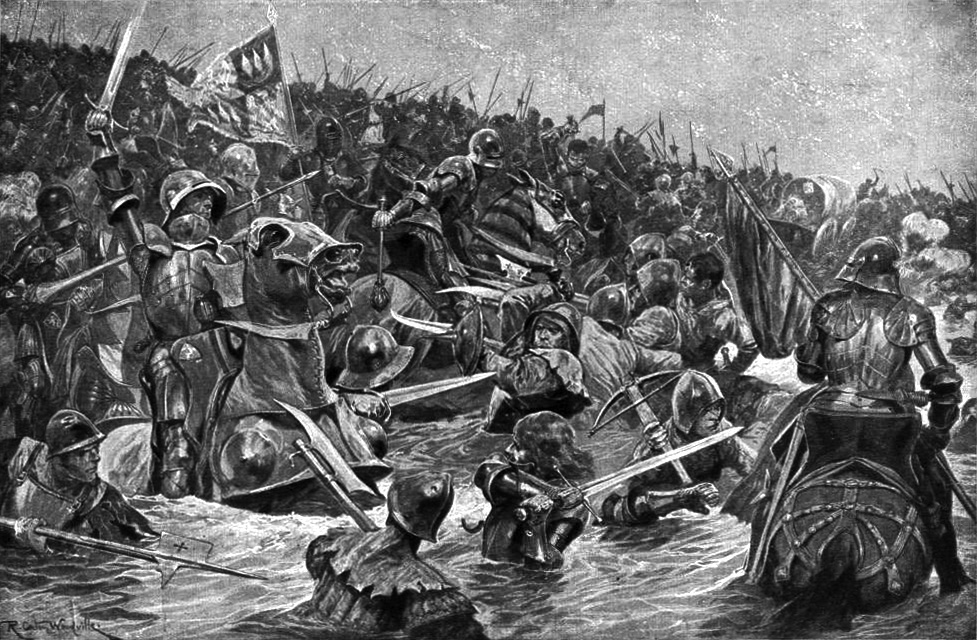
Just a short trip up the road lies Towton, site of the Battle of Towton in 1461—widely regarded as the largest and bloodiest battle ever fought on English soil. Over 50,000 soldiers met in a howling March snowstorm during the Wars of the Roses, fighting so fiercely that local legend says the nearby stream ran red for days.
Today, “Bloody Meadow” is a serene, beautiful place for a winter walk. It’s peaceful enough now that the only thing getting slayed around here these days is a Sunday roast.
Barkston Ash: The “Centre” of Yorkshire (Sort Of)
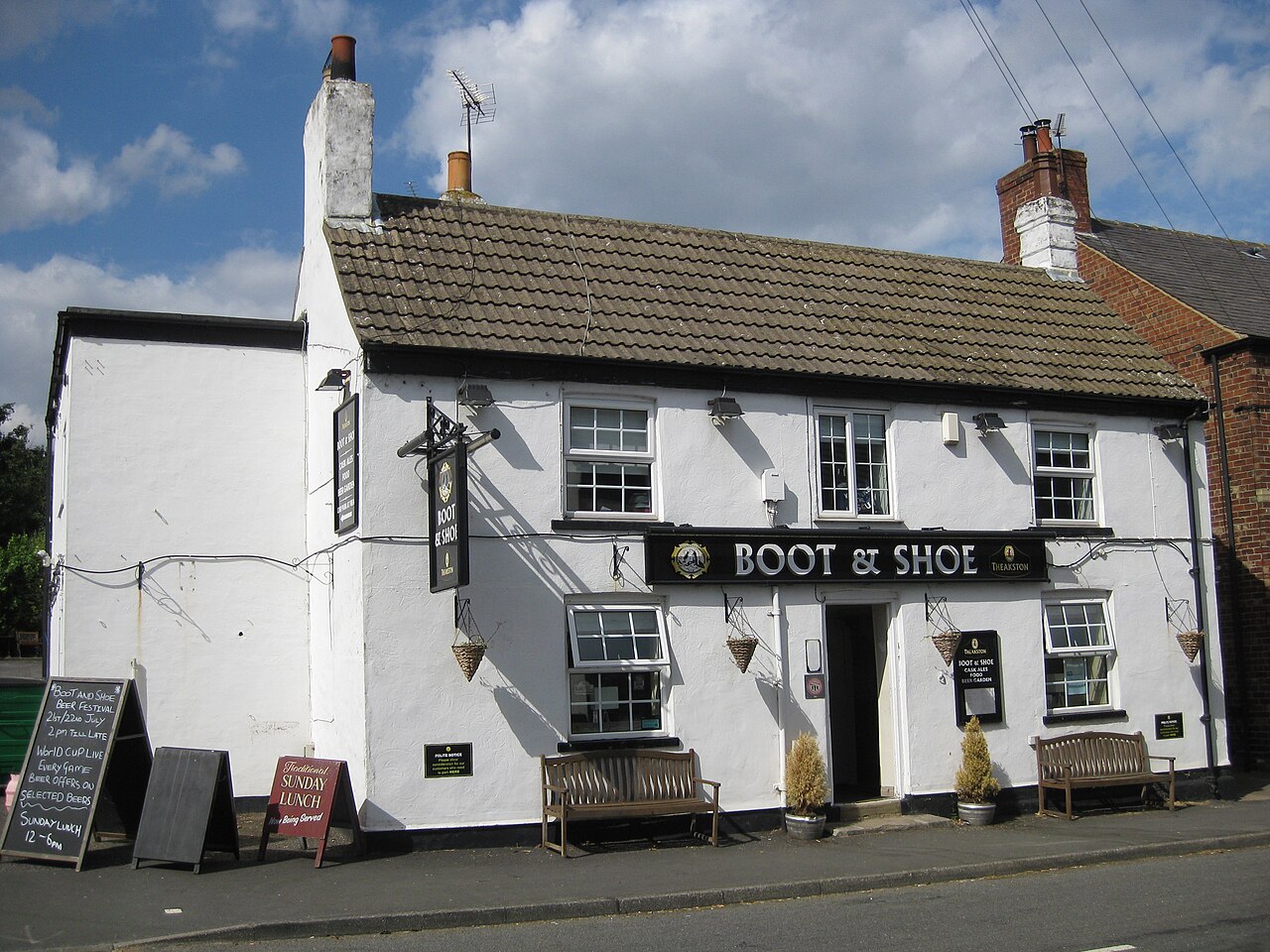
The village contains a small Church of England church, Holy Trinity originally a chapel of ease constructed in 1880, but given its current name and status in 1974.[6] There are two pubs, the Ash Tree (on the site of a former coaching inn) and the Boot and Shoe, a village hall and a primary school (dating from 1856).[8] There were formerly two shops and a post office on Main Street, now private residences.[3]
There are three 17th to 19th century stone Grade II listed building houses near the junction of Main Street and Church Street: Laurel Farm,[9] Barkston House,[10] and Turpin Hall Farm.[11]
From Wikipedia, the free encyclopedia.
Barkston Ash takes its name from an ash tree that sits at the top of the village, historically claimed by locals to mark the exact ceremonial heart of Yorkshire.
According to local folklore, anyone who dares to spit at the village ash tree will be struck by lightning a year and a day later. (We haven’t tested this theory, and we suggest you don’t either.) It was also an ancient meeting place where regional political decisions were hammered out under the branches.
Ulleskelf: A Heritage Shaped by River and Rail
Just a short distance down the line from Church Fenton lies the historic village of Ulleskelf. Rooted in Old Norse, its name dates back to Viking settlers, and the settlement was recorded in the Domesday Book of 1086 under the Archbishop of York.
Situated along the tidal reaches of the River Wharfe, Ulleskelf originally thrived as an agricultural community and a key river-crossing point. Its character expanded significantly in the 19th century with the arrival of the railway. Connected to the York and North Midland Railway, Ulleskelf became an essential rural hub for passengers and trade, seamlessly linking our corner of North Yorkshire to York, Leeds, and beyond.
Today, Ulleskelf retains its timeless charm—a tranquil village where ancient river heritage meets centuries of local rail history.