Photography Tips · Part 5
You do not need a distant safari to find a subject. A flower pot, a small garden or a nearby green space can offer colour, texture and visiting wildlife. Familiar places are useful because you can return and try again without planning an expedition.
Give a flower a few minutes
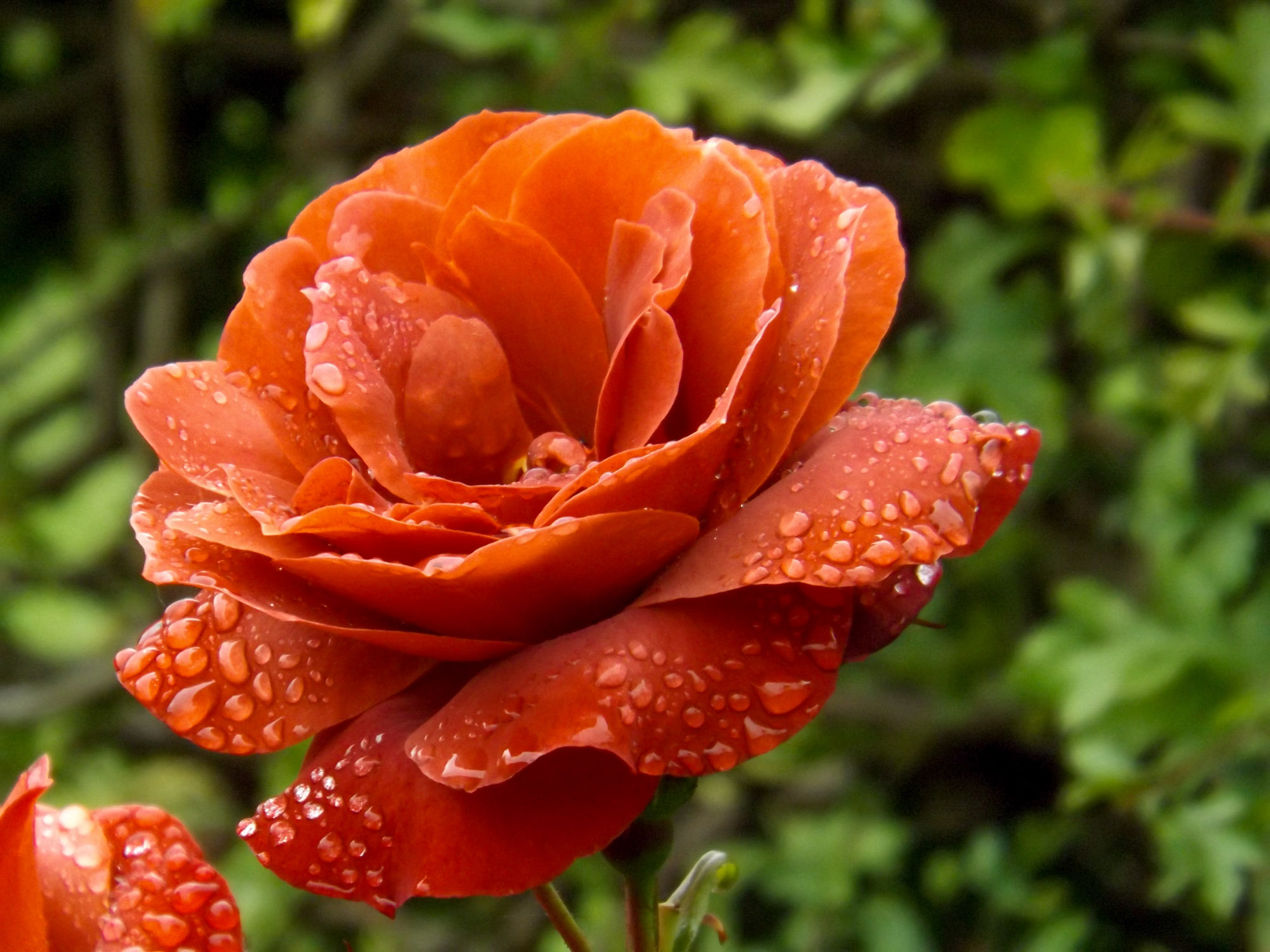
Choose one bloom and look at it from several angles. Try a whole-flower picture, then concentrate on a petal, its shape or a droplet. If moving closer makes focus impossible, step back: every camera and phone has limits to how close it can focus.
Wind matters too. A waving flower may need a shorter exposure than a still one. Wait for a lull, find a sheltered subject or accept a little movement if it suits the picture. Do not damage plants or remove a neighbour’s favourite bloom for a clearer background.
Watch before you photograph

Spend a little time noticing where insects land and how birds approach. You can arrange your position before the subject arrives. Keep enough distance for normal behaviour to continue; if your presence changes what the animal is doing, give it more space.
Avoid disturbing nests or using sounds to draw birds towards you for a picture. Photograph the visitors that arrive naturally. A quiet, ordinary moment can be enough.
My small-camera setup
I often use my Lumix TZ90 with an iGadgitz flexible mini tripod, controlling the camera from my iPhone with Panasonic Image App. I particularly like the camera’s small size and zoom, and find the app excellent.
Remote shooting can avoid touching the shutter button, although the subject can still move. Check that any support can carry your equipment securely. The linked small tripod is rated at 275g, so its suitability depends on the total load; match the support to your camera.
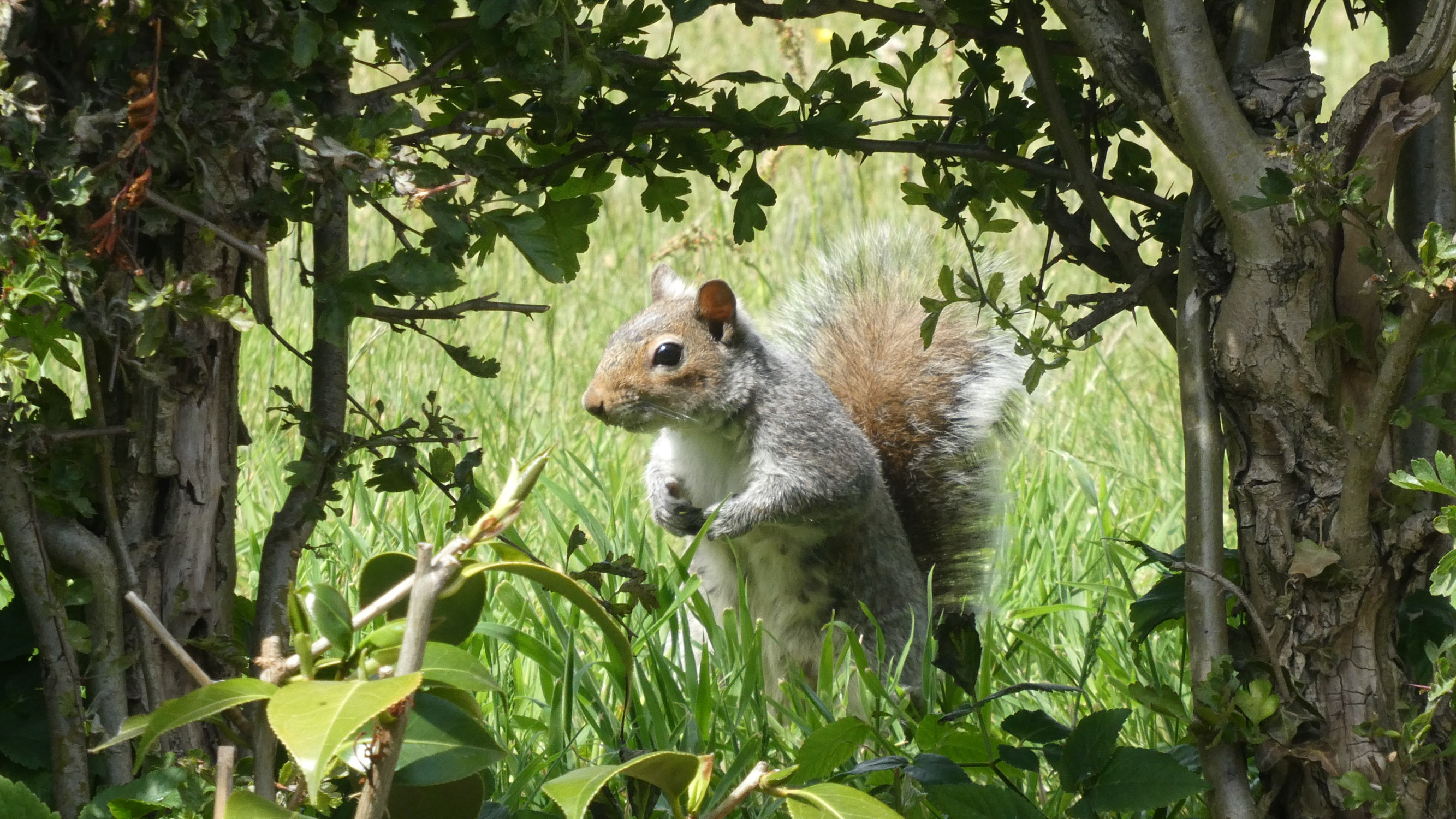
Look for a small action: feeding, grooming or pausing to look around. Leave space for the story rather than automatically filling every inch of the frame.
Try this: ten quiet minutes
Choose a safe place and spend ten minutes watching before taking a photograph. Then aim for one flower detail, one wider view and, if a visitor arrives, one wildlife picture. There is no requirement for the wildlife to turn up on schedule.
Try a little more
With longer zoom, check the subject’s eye or another important feature for sharpness. Compare a tighter frame with a wider version showing its setting. Keep notes about what worked, and repeat on another day.
Phone users can try the same observation exercise with flowers and larger, approachable subjects. Do not move closer to wildlife simply to compensate for limited zoom.
Photography Tips: All eight posts · Previous: Making the most of light · Next: Moving beyond automatic, one setting at a time
No responses yet